
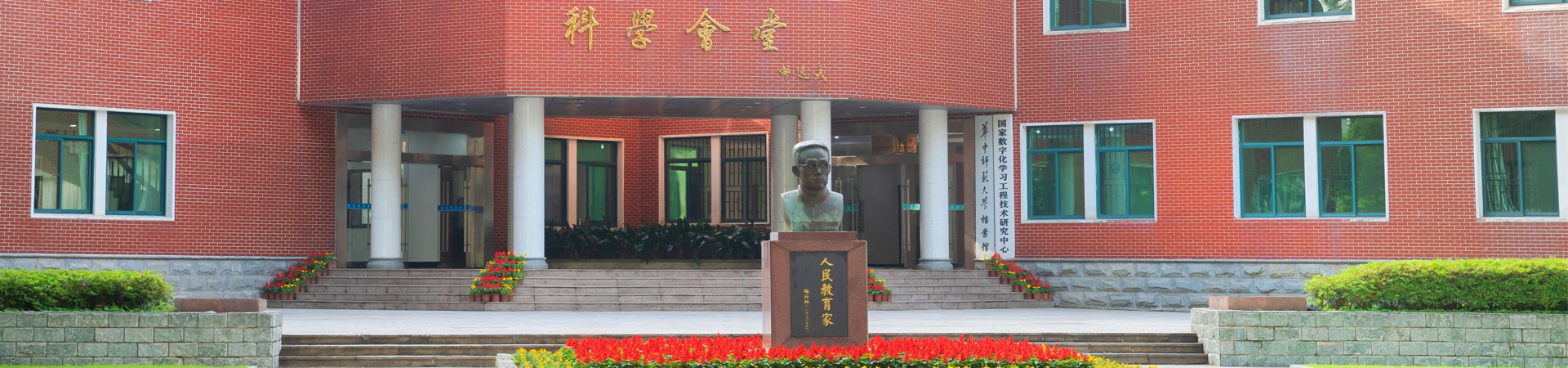
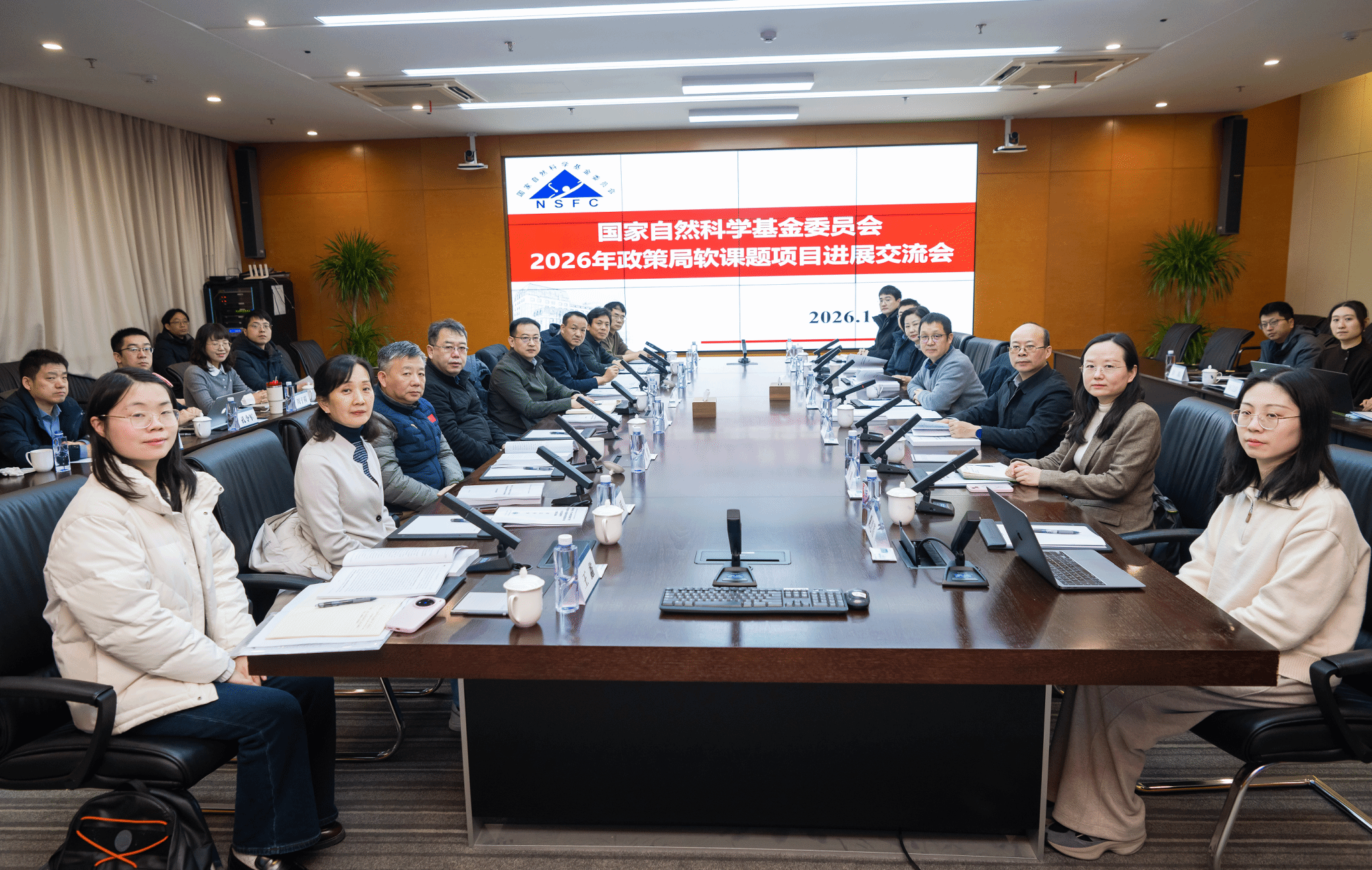
On the morning of January 31, 2026, a progress exchange meeting for the policy research project of the Bureau of Policies, NSFC was held in Meeting Room 1182, Nanhu Building, CCNU. The project is titled “Research on Management Systems and Funding Mechanisms of Major International Science Funding Agencies from the Perspective of an Integrated Approach to Education, Science, Technology, and Talent”.
Attendees included Qingfeng Meng, Deputy Director of the Bureau of Planning and Policy, NSFC, and Li Wang, from the Development Strategy Division within the same bureau.
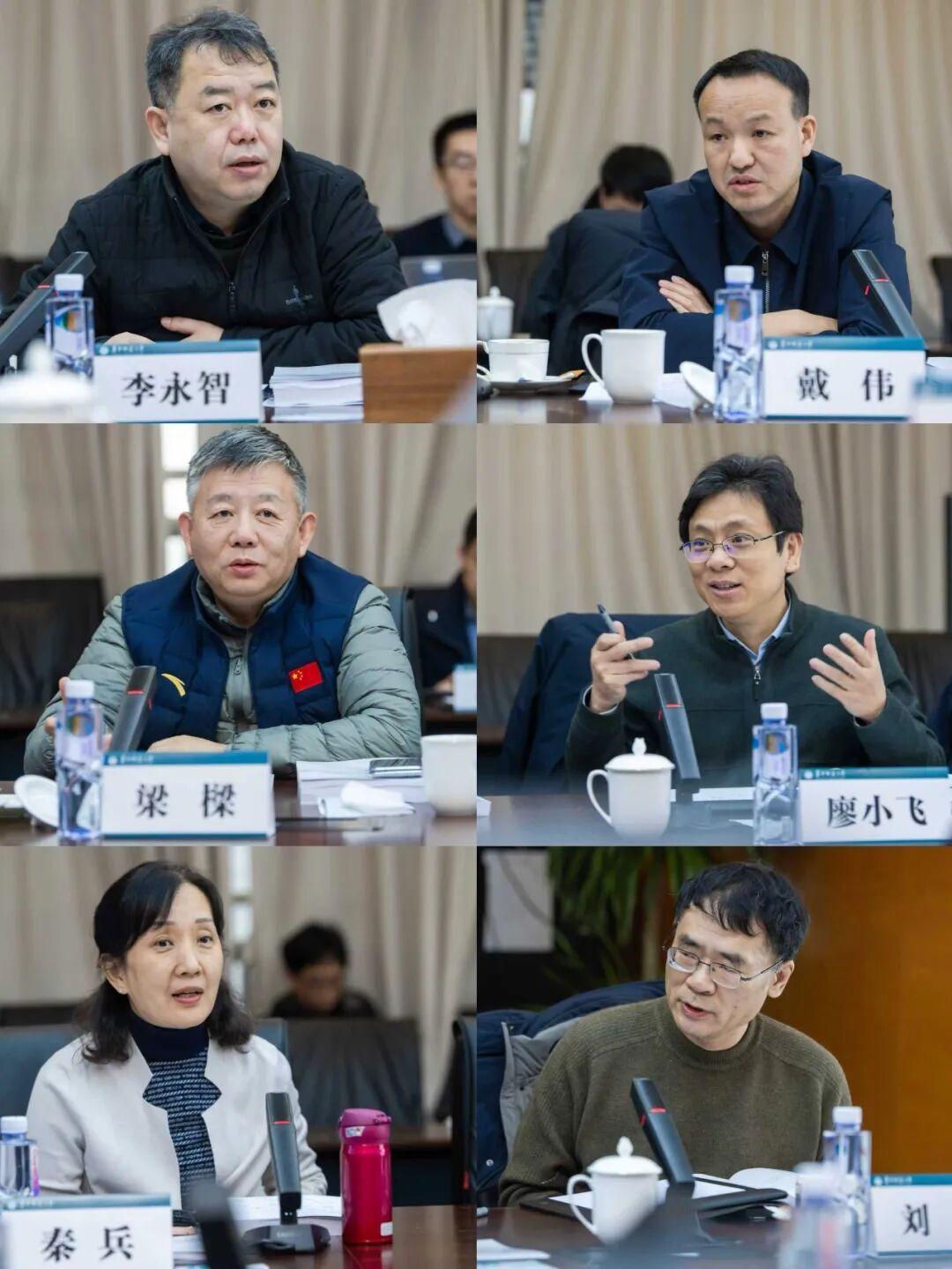
Members of the expert panel included Yongzhi Li, President of the China National Academy of Educational Sciences; Wei Dai, Deputy Director General of the Department of Education of Hubei Province; Liang Liang, Professor at Hefei University of Technology; Xiaofei Liao, Professor at Huazhong University of Science and Technology; Bing Qin, Professor at Harbin Institute of Technology; and Jun Liu, Professor at Xi’an Jiaotong University.
Representatives from the project host institution, CCNU, included Sannyuya Liu, Vice President of CCNU; Benwei Zhang, Director of the Office of Science and Technology; Rui Duan, Director of the Office of Social Science Research; and Tao Huang, Deputy Director of the NERC-EBD within the Faculty of Artificial Intelligence in Education.
More than 30 people in total took part in the meeting, including project team members.
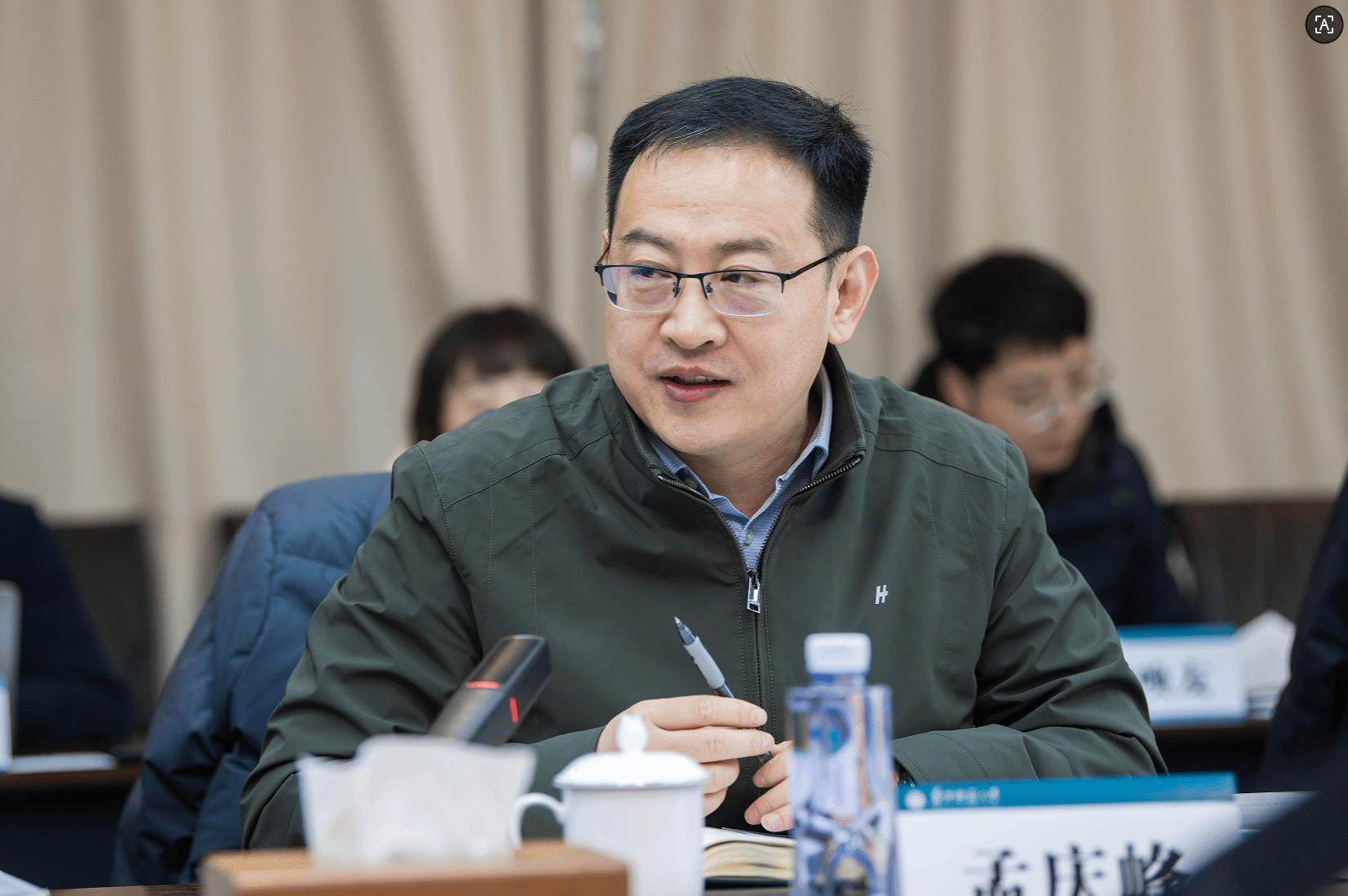
In his opening remarks, Deputy Director Qingfeng Meng outlined the background and objectives of the project. Since the launch of the 14th Five-Year Plan period, the NSFC has remained committed to the national strategic goal of integrated development in education, science and technology, and talent. It has been actively exploring systemic reforms of the basic research funding system, with a particular focus on strengthening overall support for educational science research. Qingfeng Meng expressed the hope that, based on an investigation and synthesis of international experiences, the project team would be able to offer concrete recommendations, from the perspectives of project management and funding mechanisms, to advance the integrated development of education, science and technology, and talent in China.
Qing Li, the project contact and a research fellow, provided a detailed progress report on behalf of the project team. His presentation covered the project’s research content, implementation of the research plan, major progress and findings, and key results achieved to date.
The attending experts gave positive feedback on the results achieved after hearing the project report. They also offered suggestions and recommendations on several fronts, including further strengthening the analysis of the impact of artificial intelligence on education and talent cultivation, clarifying long‑term talent development mechanisms at the planning level, and making full use of education’s supporting role in knowledge production, discipline building, talent training, and team development.
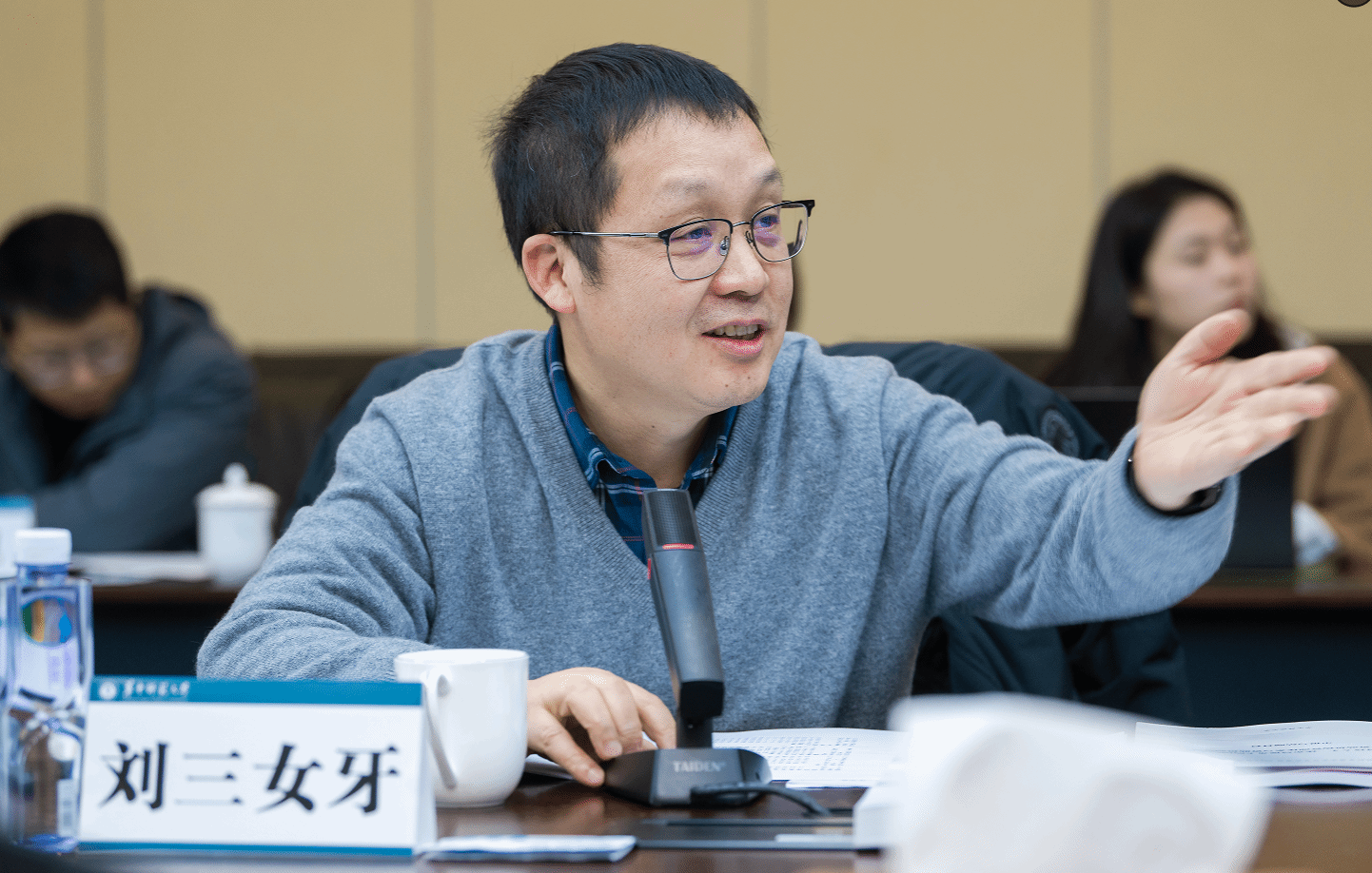
In closing, Deputy Director Qingfeng Meng offered his concluding remarks. He affirmed the progress made in the project and expressed the hope that the project team would continue its efforts and deepen its ongoing research, so as to make further and greater contributions to the integrated development of education, science and technology, and talent in China.
On behalf of the project team, Vice President Sannyuya Liu expressed sincere gratitude to the leaders and experts for their guidance and support. He also stated that the team would carefully study and incorporate the valuable suggestions from the expert panel, and strive to complete the subsequent project finalization tasks with high quality.
Editor: Ruye LI
Reviewer: Xiaoxiao ZHU


 Home
Home phone
phone