

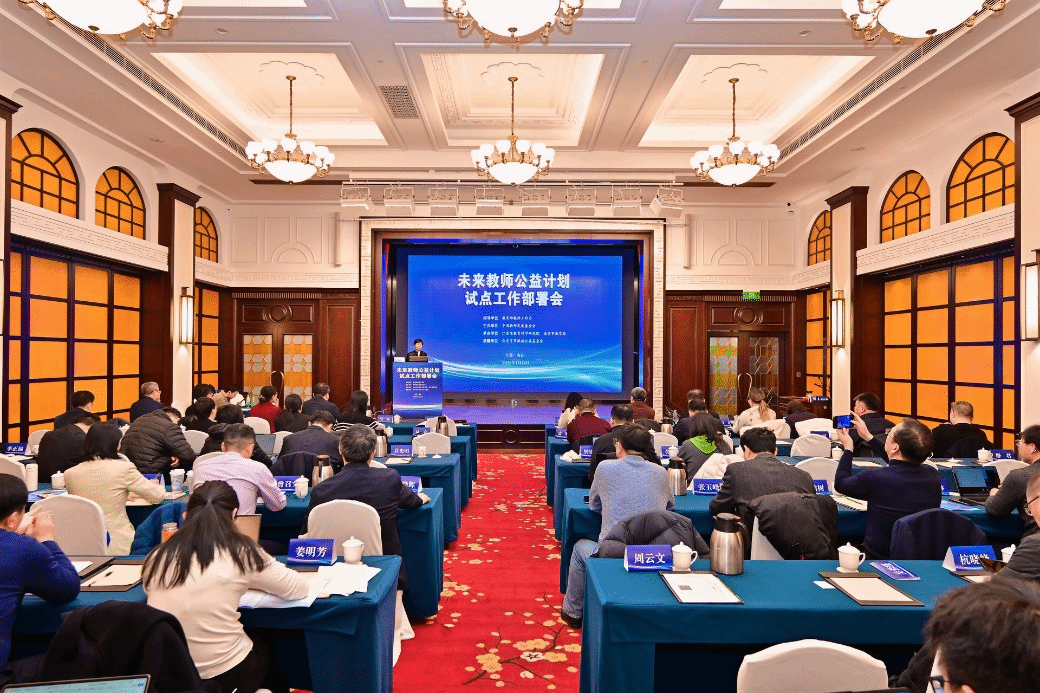
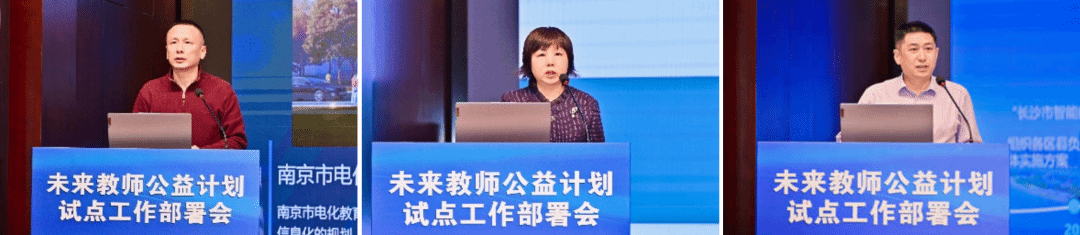
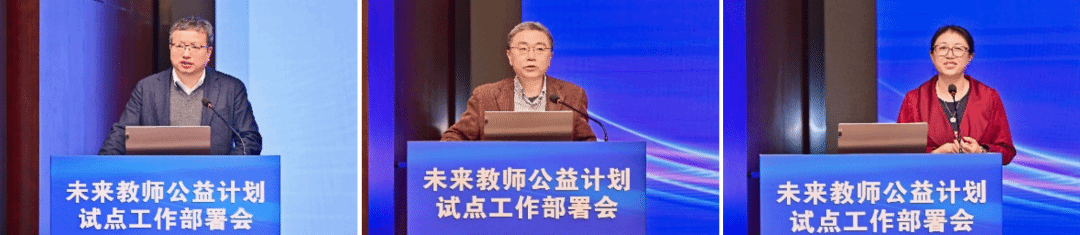
On January 14, 2026, a planning meeting for the Future Teachers Public Welfare Initiative pilot program was held in Nanjing. The event was hosted by the China Teacher Development Foundation and organized by the Jiangsu Academy of Educational Sciences.
Among those attending and delivering remarks were (listed in no particular order): Xiaohua Huang, Deputy Director General of the Department of Teacher Workforce, MOE; Dongyan Zhang, Secretary-General of the China Teacher Development Foundation; Yan Chen, Deputy Director General of Jiangsu Provincial Department of Education; Zongkai Yang, Director of the Expert Advisory Committee on Education Digitalization of the Ministry of Education; Yuehua Gu, former Deputy Director General of Jiangsu Provincial Department of Education and First Class Inspector; Yuexin Lu, President and Party Secretary of the Jiangsu Academy of Educational Sciences; Wei Wang, Deputy Secretary-General of the China Teacher Development Foundation; and Fengwei Lang, Executive Director of the Beijing Bytedance Foundation, attended the meeting and delivered speeches.
Other participants included Di Wu, Deputy Director of the Faculty of Artificial Intelligence in Education at CCNU; Qi Mi, President of the High School Affiliated to Renmin University of China; Yonghe Zheng, Dean of the Institute of Education Sciences at Beijing Normal University; as well as nearly 100 attendees representing education departments, experience centers, and pilot schools from three pilot districts - Haidian District in Beijing, Nanjing City in Jiangsu Province, and Changsha City in Hunan Province. The meeting was chaired by Wei Wang.
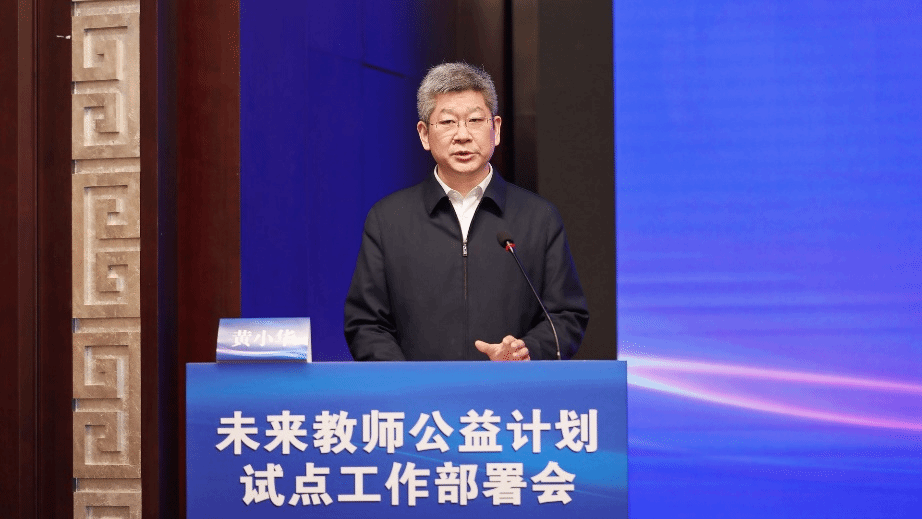
Xiaohua Huang, in his speech, emphasized that the pilot program serves as both a “touchstone” for assessing the project’s effectiveness and a “trailblazer” for exploring pathways to scale it up.
To ensure its success, he called for a multi-pronged approach. First, keep a firm hand to stay true to the core mission of education while pursuing innovation. Second, cultivate a “testing ground” where pilot initiatives can yield concrete results. Third, weave a dense collaboration network to pool strength from all sides in a systematic push, while at the same time distilling valuable lessons from hands-on practice. Fourth, guarantee steady and sustained progress through well-regulated operations.
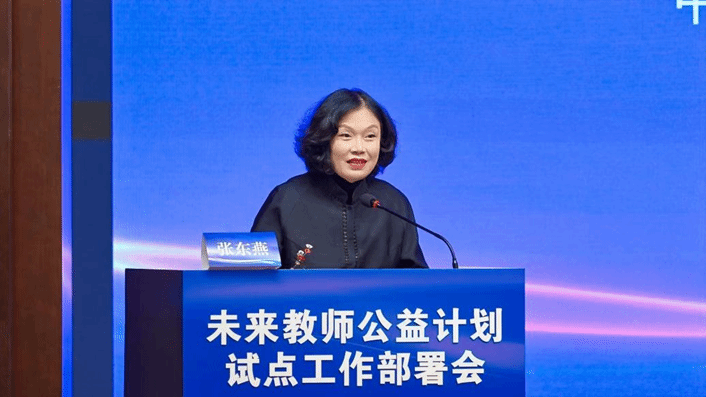
Dongyan Zhang pointed out that the Future Teachers Public Welfare Initiative was originally established to harness the power of public welfare in advancing AI-empowered teacher professional development and in driving educational transformation, particularly in teaching methods and learning approaches. She emphasized that the project must remain goal-oriented, serving as a “designer” for the growth of future teachers. It should stay needs-oriented, acting as a a trusted partner of frontline educators. It should also pursue cross-sector collaboration and function as a connector for ecosystem building. And it must uphold its public welfare mission and set an exemplar of integrity and dedication.
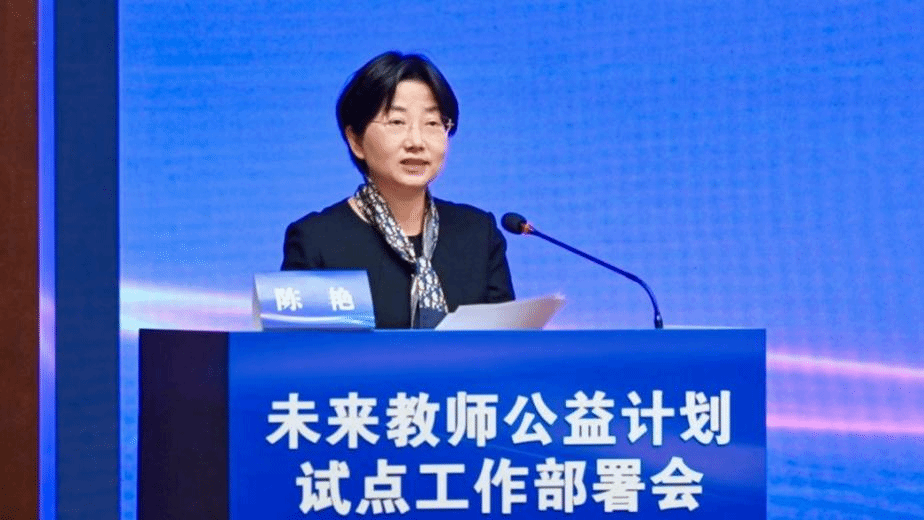
Yan Chen then noted that Nanjing has been selected as one of the first three pilot areas nationwide, while the Jiangsu Academy of Educational Sciences has taken on the role of the laboratory secretariat. This represents not only a high degree of trust but also a proud and weighty mission. Jiangsu will spare no effort in building a collaborative platform to facilitate cross‑provincial coordination. It will also deliver tiered and category‑based hands‑on training to empower teachers and promote the translation and scaling up of outstanding outcomes. In doing so, the province will ensure that the initiative is both inclusive and practical in its impact.
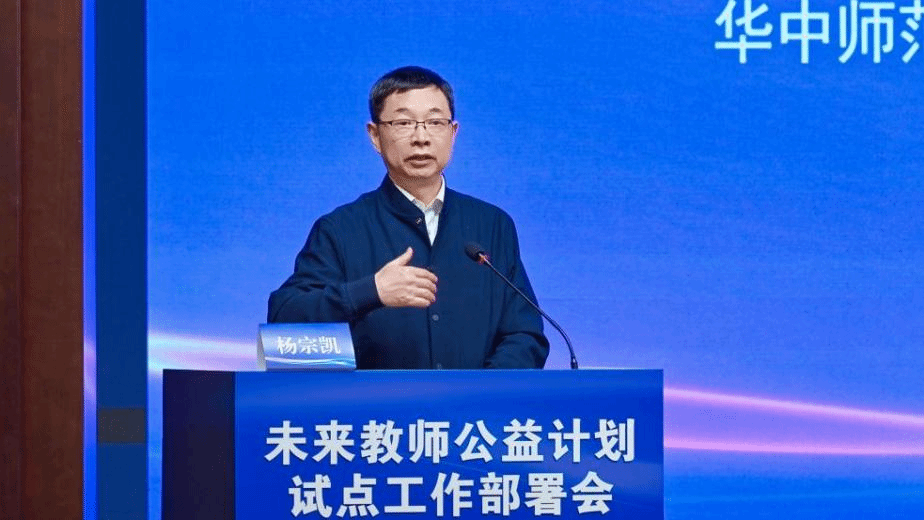
Zongkai Yang stressed that the key to the success of the Initiative lies in collaborative innovation. The laboratory’s primary role is research, while the main drivers of innovation are the pilot districts, experience centers, and pilot schools. He called on laboratory experts to go to the front line to conduct field investigations and guide pilot districts in achieving a deep alignment between digital tools and classroom instruction. By building a collaborative ecosystem of “research, practice, and improvement”, they can realize high-quality integration and innovation of AI with subject teaching.
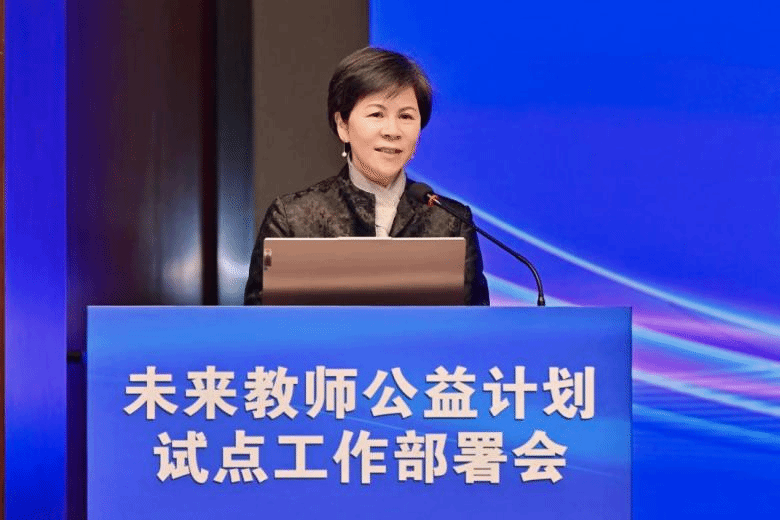
Yuehua Gu suggested that a practical, efficient, and symbiotic project operation mechanism should be established. This includes a management loop of “task, milestone, and delivery”, a communication loop that is both horizontal and vertical, and an empowerment loop combining resource development, practical validation, and iterative optimization. She advocated for stronger communication and coordination among the expert group, pilot districts, and the secretariat to achieve collaborative innovation.
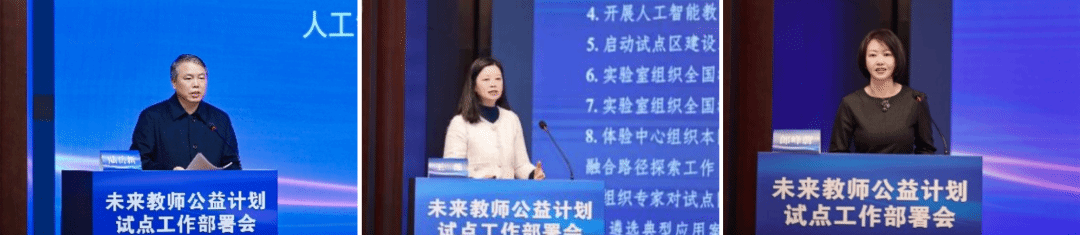
Yuexin Lu mentioned that, as the host of the laboratory secretariat, his academy will fully deliver three key services: overall coordination, professional support, and the documentation and scaling up of best practices. These efforts aim to ensure the solid implementation of the Future Teachers Public Welfare Initiative. He also shared examples of the Jiangsu Academy of Educational Sciences’ exploratory work in enhancing teachers’ digital literacy, developing subject‑specific intelligent agents, and transitioning toward smart teaching research.
Wei Wang outlined the background, objectives, tasks, work progress, and future plans of the Future Teachers Public Welfare Initiative. She made it clear that the initiative will establish laboratories, pilot districts, experience centers, and pilot schools as part of its approach to explore application models and practical pathways for AI‑empowered teacher development.
Fengwei Lang stated that as a corporate public welfare foundation, it will uphold the principles of public welfare. By co-creating scenarios and providing technical support, the foundation will help schools develop smart applications that better meet real-world teaching needs, thereby addressing practical challenges in education.
During the conference, participants were divided into four groups based on their areas of focus and tasks for in‑depth discussions. In the parallel sessions for the laboratory innovation group, the science group, and the humanities group, experts refined each group’s work plan in terms of goal setting, content framework, implementation mechanisms, and expected outcomes. They placed special emphasis on identifying the key points, challenges, and innovative pathways for integrating artificial intelligence with subject teaching. Meanwhile, the pilot district discussion group concentrated on the regional implementation foundations, specific needs, and advancement strategies for Beijing, Jiangsu, and Hunan. Together, they explored concrete plans for aligning the pilot program with local education development strategies.
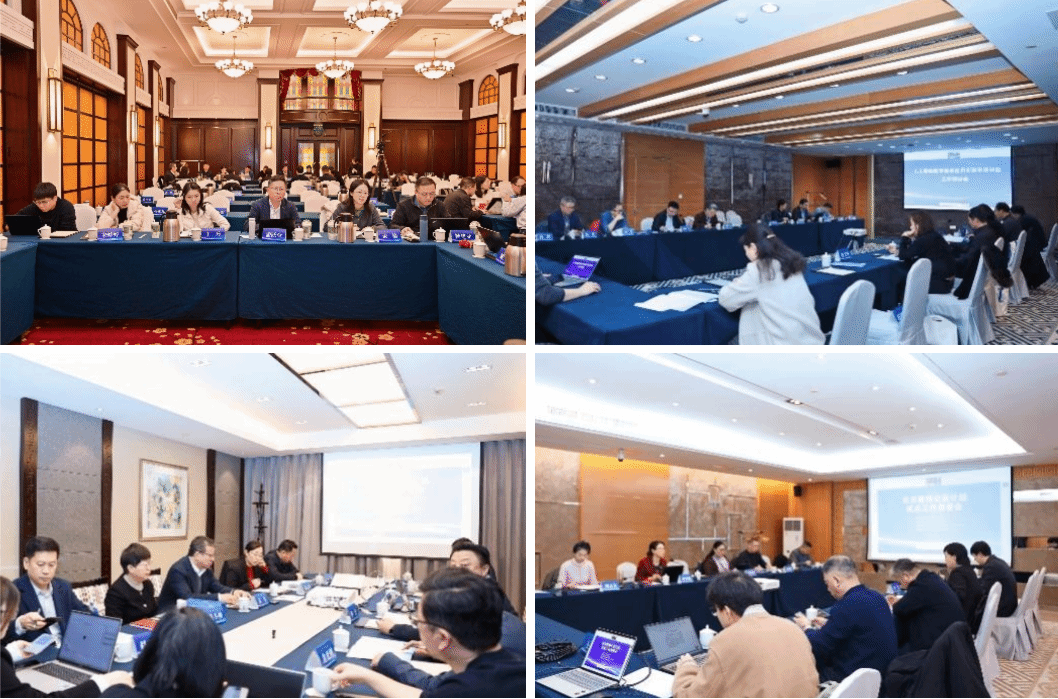
Following that, representatives from the three pilot districts, the laboratory innovation group, the science group, and the humanities group reported back to the plenary session, presenting the interim findings and follow-up work plans developed through their respective group discussions.
As part of the Future Teachers Public Welfare Initiative, a special laboratory for the application of artificial intelligence in education and teaching has been established. The initiative focuses on three key areas: platform development, resource building, and capacity enhancement. Pilot efforts will first be carried out in three designated areas - Nanjing City in Jiangsu Province, Haidian District in Beijing, and Changsha City in Hunan Province - with the goal of quickly developing replicable and scalable models and practical experience. The ultimate aim is to enhance teachers’ AI literacy, drive the transformation of education and instruction through artificial intelligence, and contribute to the nation’s efforts to build a leading education system.
(Sourced from the China Teacher Development Foundation and the Jiangsu Academy of Educational Sciences)
Editor: Ruye LI
Reviewer: Xiaoxiao ZHU


 Home
Home phone
phone